Introduction: Unlocking Monetization for Independent Podcasters in 2026
Your passion project has found its audience. Your downloads are climbing, and your community is engaged. But how do you turn that passion into profit without selling out or burning out? In 2026, the audio landscape is more vibrant than ever, driven by a powerful wave of independent creators crafting unique, high-quality shows. Yet, for all their creative success, monetization remains a significant hurdle.
The Rise of Independent Podcasting and Monetization Challenges
Independent podcasts are the creative heart of the audio world. They explore niche topics, build tight-knit communities, and offer authentic perspectives that larger media houses often overlook. But this independence frequently comes with a major challenge: securing revenue. The process of finding sponsors, negotiating fair advertising rates, managing ad insertion, and chasing payments can be a full-time job. For creators juggling content creation, editing, and marketing, this administrative burden can quickly lead to exhaustion and stifle growth, making sustainable podcasting feel out of reach.
What is a Podcast Ad Network and Why Does it Matter?
This is where a podcast ad network for independent creators becomes an indispensable partner. In simple terms, a podcast ad network is a platform that acts as a matchmaker, connecting podcasters with advertisers looking to reach their specific audiences. For creators, it eliminates the need for cold-calling and complex negotiations by providing access to a steady stream of relevant, pre-vetted ad campaigns. For advertisers, it simplifies the process of buying ad space across multiple shows, offering targeted reach and centralized campaign management.
This symbiotic relationship empowers podcasters to earn reliable income from their content while allowing brands to connect with engaged listeners authentically. At Big Pond Podcasts, we’ve built our platform from the ground up to serve this exact purpose. We focus on amplifying diverse voices, providing the tools for seamless podcast management, audience growth, and monetization so you can focus on creating the content your listeners love. A great podcast ad network for independent creators is your path to sustainability.
Step 1: Understanding Your Podcast’s Ad Potential
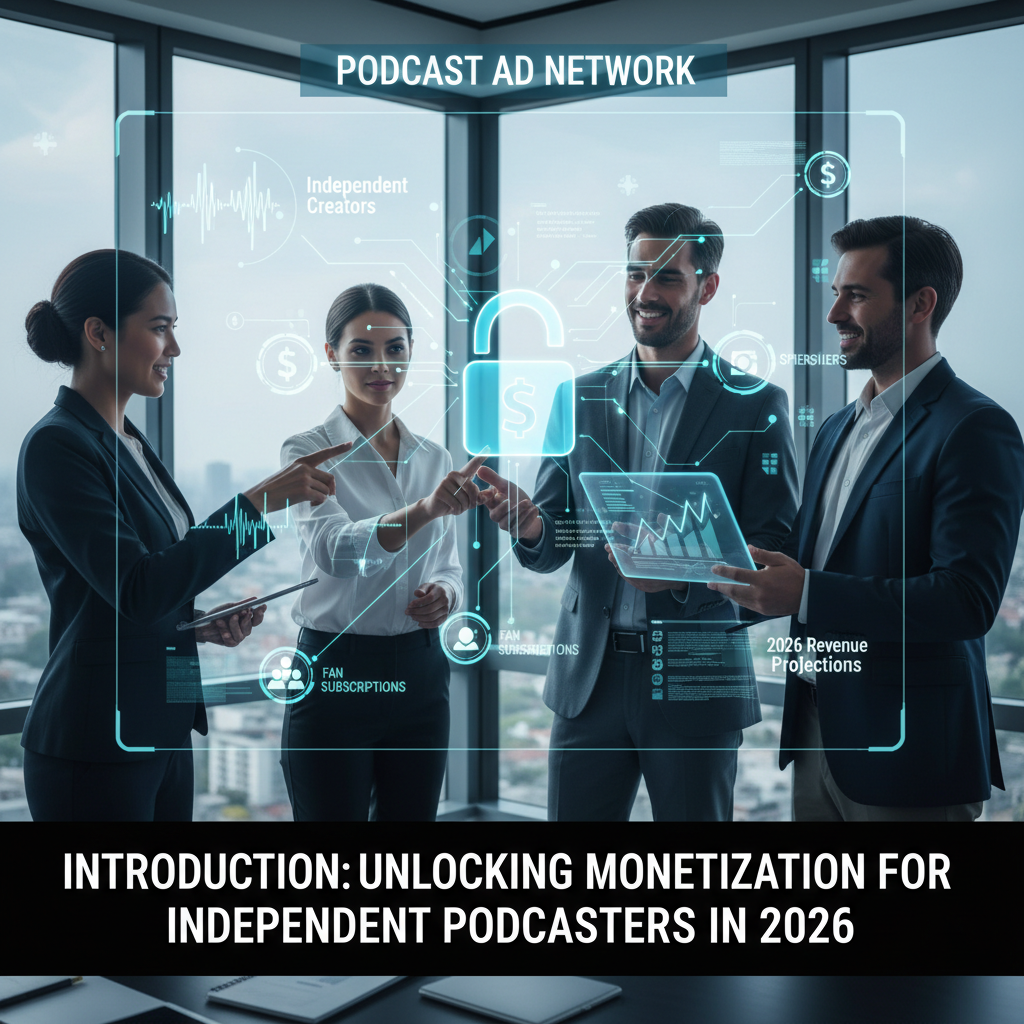
Before you can successfully partner with a podcast ad network for independent creators, you must first understand the value you bring to the table. Advertisers aren’t just buying ad space; they are investing in access to your unique, engaged audience. This foundational step involves looking inward at your data and content to build a compelling case for your show’s advertising potential. This is the “portfolio” you’ll present to brands and networks, and a strong one opens doors to better opportunities.
Audience Demographics and Listener Data
At the heart of your podcast’s value is its audience. Who are they? Where do they live? What are their interests? Answering these questions with data is crucial. Advertisers need to know if your listeners align with their target customers. Platforms like Big Pond Podcasts simplify this by providing a comprehensive analytics dashboard that tracks the essential metrics brands care about.
| Metric | Why It Matters to Advertisers |
|---|---|
| Monthly Downloads | Indicates your podcast’s overall reach and audience size. |
| Listener Retention | Shows how engaged your audience is. High retention means listeners stick around, increasing ad exposure. |
| Demographics (Age, Gender, Location) | Helps brands verify that they are reaching their ideal customer profile. |
Diving into your Podcast Listener Demographics Targeting: Unlock Growth is the most critical first step toward monetization.
Content Niche and Brand Alignment
Beyond the numbers, your podcast’s content niche is your unique selling proposition (USP). A general “movie review” podcast has broad appeal, but a show focusing specifically on 1980s horror films attracts a highly specific, passionate community. This specificity is an advertiser’s dream. A niche allows for perfect brand alignment—the horror podcast is a prime spot for a boutique Blu-ray label or a horror convention sponsor. Understanding this connection is key when evaluating a podcast ad network for independent creators, as the best ones will help match you with brands that fit your content seamlessly, leading to more authentic and effective campaigns.
Step 2: Choosing the Right Podcast Ad Network for Independent Creators
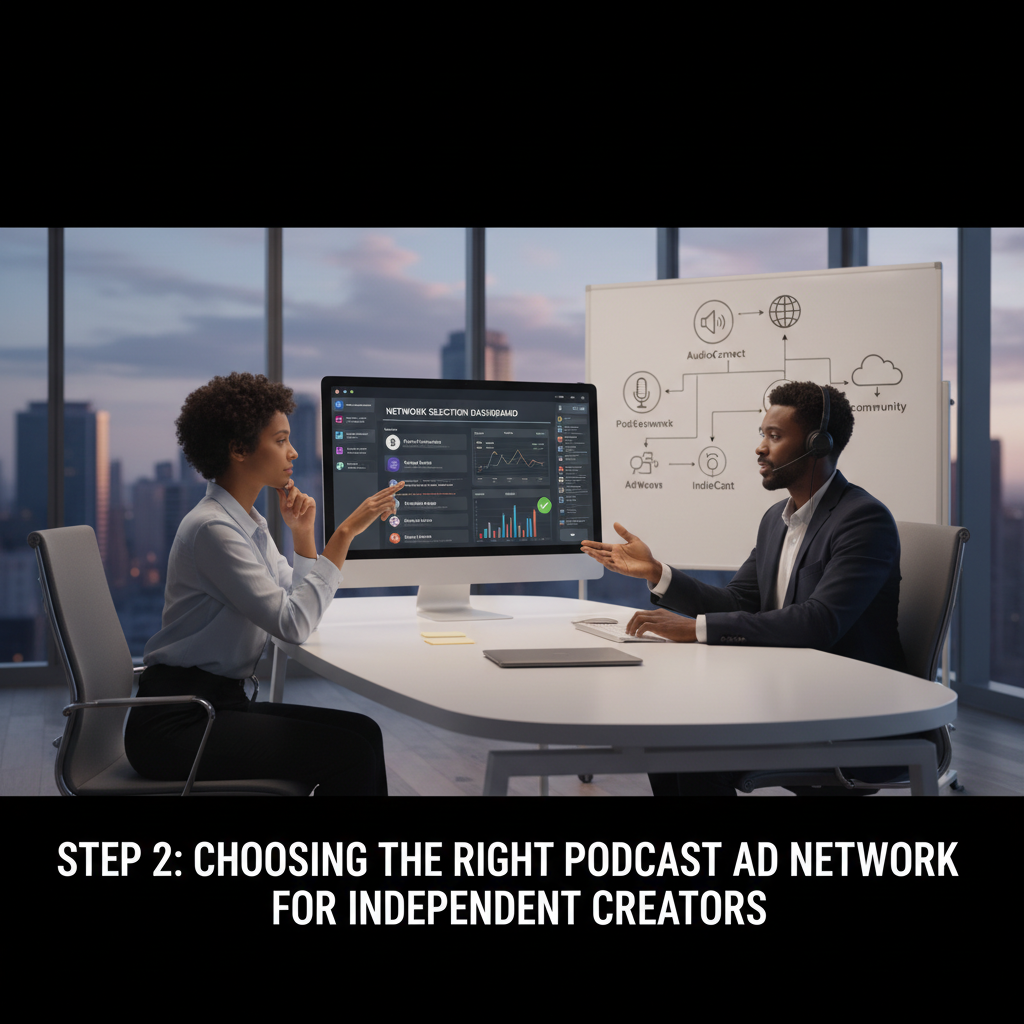
Selecting the right podcast ad network for independent creators is a pivotal step that can define your show’s financial trajectory. As you evaluate your options in 2026, it’s essential to look beyond just the payout rates. A truly valuable partner will offer a combination of flexibility, robust technology, and dedicated support that empowers your growth.
Key Features to Look For in 2026
The ideal network provides control and transparency. Look for a platform that offers a variety of ad formats—including pre-roll, mid-roll, and host-read ads—giving you the flexibility to choose what best fits your content. Understanding these different placements is crucial; for a deeper dive, check out our Podcast Ad Types Explained: Your Complete Guide.
Beyond ad formats, critically examine the network’s minimum download requirements. Many traditional networks cater only to top-tier shows, locking out emerging voices. A modern network should have accessible entry points. Finally, insist on a clean, intuitive dashboard with comprehensive analytics. You need clear reporting on ad performance and revenue to make informed decisions about your monetization strategy.
Comparing Leading Networks: Why Big Pond Podcasts Stands Out
While platforms like Acast and Libsyn have long been in the space, many independent creators find their requirements restrictive or their platforms impersonal. This is where Big Pond Podcasts distinguishes itself. We have built our entire ecosystem with a creator-first philosophy, understanding that audience size is just one measure of a podcast’s value. We prioritize amplifying diverse voices, providing tools that help you monetize and grow, regardless of your current download numbers.
Here’s a quick comparison:
Step 3: Preparing Your Podcast for Ad Network Integration
Before you can start monetizing, you need to ensure your podcast is technically and professionally ready for advertisers. This preparation is crucial for a smooth integration with a podcast ad network for independent creators and for attracting high-value brand partnerships that align with your content.
Technical Setup and RSS Feed Optimization
Your podcast’s RSS feed is the backbone of ad delivery. To work with most ad networks, your feed must be compatible with dynamic ad insertion (DAI), a technology that allows for the automatic placement of targeted ads into your episodes. This requires your hosting provider to support IAB-compliant measurement standards for accurate reporting and that you have clean, complete metadata for your show. Fortunately, leading platforms like Big Pond Podcasts are built with these requirements in mind, ensuring your RSS feed is optimized for monetization from day one. Let us handle the technical details so you can focus on growing your show.
Crafting a Compelling Media Kit
Think of your media kit as your podcast’s professional resume. It’s often the first impression you’ll make on potential sponsors and network partners, so it needs to be polished and persuasive. A great media kit is a concise, visually appealing document that sells your show and its audience.
Key elements to include are:
- Show Overview: A clear, compelling description of your podcast’s concept, niche, and unique value proposition.
- Audience Data: Detailed listener demographics, including age, gender, location, and key interests. Understanding your audience is a major selling point, as podcast listener demographics targeting is what brands look for.
- Performance Metrics: Verified download numbers (per episode and monthly), subscriber counts, and audience growth trends.
- Ad Opportunities: A menu of available ad formats (pre-roll, mid-roll, host-read), sponsorship packages, and your standard rates.
Presenting this information clearly demonstrates your professionalism and makes it easy for advertisers to recognize the value you offer.
Step 4: Maximizing Your Ad Revenue and Growth
Once you’ve joined a network, the real work of maximizing your earnings begins. Success isn’t just about inserting ads; it’s a delicate balance between effective monetization and preserving the listener experience that built your audience in the first place. Strategic optimization is key to long-term growth.
Strategic Ad Placement and Frequency
Where and how often you run ads directly impacts both your revenue and listener retention. While pre-roll ads capture every listener, mid-roll ads—placed thoughtfully during natural pauses or content transitions—tend to have the highest engagement and command premium CPMs. However, the cardinal rule is to avoid listener fatigue. Overloading an episode with too many ad breaks, no matter how lucrative, can cause your audience to tune out permanently. A superior podcast ad network for independent creators will provide the tools to manage your ad load and scheduling precisely. This control ensures you can find the optimal frequency that maximizes income without compromising your show’s quality. For a deeper dive, explore our guide on Podcast Ad Placement Best Practices for 2026.
Analyzing Performance and Optimizing Campaigns
Your analytics dashboard is your single source of truth for ad performance. Don’t just set your ads and forget them; actively monitor your key metrics. Pay close attention to your fill rate (the percentage of available ad slots that are filled) and your CPM (the revenue earned per 1,000 impressions). These figures tell a story about how well your inventory aligns with advertiser demand. Use this data to run A/B tests. For instance, you could test a 30-second ad slot against a 60-second one in the same position to see which yields a higher effective CPM. Robust platforms like Big Pond Podcasts offer granular analytics that empower you to make these data-driven decisions. By constantly analyzing and optimizing, you transform your monetization from a passive process into an active strategy for sustainable growth and profitability.
Frequently Asked Questions About Podcast Ad Networks
Navigating the world of podcast monetization can bring up many questions. Here are the answers to some of the most common queries independent creators have when considering an ad network.
What are the typical revenue splits with podcast ad networks?
Revenue splits vary across the industry, but they generally favor the creator. Common arrangements range from 60/40 to 70/30 (creator/network). It is crucial to look for transparency. At Big Pond Podcasts, we offer a competitive, creator-first revenue share designed to maximize your earnings while we handle the heavy lifting of ad sales and management.
How long does it take to start earning money from a podcast ad network?
Once you’re accepted and set up, you can start earning from your very next episode with inserted ads. However, building substantial income takes time. Revenue depends on your download numbers, CPM rates, and ad fill rate. Most creators see their first payout within one to two months, with income growing alongside their audience.
Do I lose creative control when working with an ad network?
This is a valid concern, but a reputable podcast ad network for independent creators will prioritize your brand’s integrity. Platforms like Big Pond Podcasts provide robust filtering tools, allowing you to block certain advertiser categories and approve specific campaigns. You maintain the final say on what ads run on your show.
What are host-read ads, and why are they effective?
Host-read ads are ad spots read by the podcast host, often in their own voice and style. They are highly effective because they feel like a genuine recommendation rather than a disruptive commercial. This format leverages the trust and connection you have built with your listeners. To learn more, check out our deep dive on podcast host-read ad effectiveness.
What are the minimum download requirements for most ad networks in 2026?
Conclusion: Your Path to Sustainable Podcast Monetization in 2026 and Beyond
Embarking on podcast monetization can feel like a monumental step, but it’s the natural evolution for any creator dedicated to their craft. The journey for 2026 and beyond is clear: by building a quality show, understanding your audience, and preparing your assets, you position yourself for success. The most pivotal decision in this process is selecting the right partner. A truly effective podcast ad network for independent creators does more than just fill ad slots; it aligns with your brand, respects your listeners, and provides the tools you need to grow sustainably.
Choosing a partner is about forging a relationship built on shared goals. It’s about ensuring the ads enhance, rather than detract from, the listener experience. This strategic alignment is what transforms advertising from a simple revenue stream into a powerful tool for long-term viability, allowing you to invest back into your show’s quality and reach. Don’t view monetization as a compromise of your creative vision. Instead, see it as the fuel that sustains it, enabling you to continue creating the content your audience loves for years to come. The opportunities for independent voices have never been greater, and with the right strategy, your passion can become your profession.
Your voice deserves to be heard and valued. If you’re ready to take the next step and transform your podcast into a sustainable creative enterprise, finding a dedicated partner is key. Big Pond Podcasts is committed to empowering creators with the tools and support needed for meaningful growth. Explore your monetization opportunities with us and let’s build your podcast’s future together.
